


The National Institute of Tuberculosis and Respiratory Diseases (NITRD) in Delhi has been officially recognized as Zero Waste to Landfill, setting a new standard for responsible waste management in India’s healthcare sector. This recognition follows a comprehensive waste management initiative led by the Why Waste Wednesdays Foundation under its Swachh Sankalp program. The Ministry of Housing & Urban Affairs highlighted that structured planning and collective efforts were instrumental in driving this significant change.
The healthcare institution, spread across a 27-acre campus, has attained full compliance in the Bulk Waste Generator category under the 2026 Solid Waste Management Guidelines. By effectively managing approximately 1 to 1.2 tons of daily waste, including 500–650 kilograms of wet waste, the institute has demonstrated its commitment to sustainable waste management practices. The project commenced with a detailed waste audit and survey to analyze existing waste streams, assess current procedures, and identify operational deficiencies.
The initiative also included an extensive awareness and capacity-building campaign, with close to 50 customized sessions conducted for hospital staff, administrators, and support personnel. These sessions focused on educating participants about waste segregation, recycling, and composting best practices, fostering a sense of responsibility towards the environment. Furthermore, the project established a robust on-site infrastructure to manage waste efficiently and sustainably.
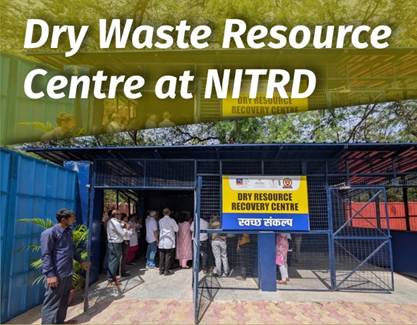
A Wet Waste Composting Centre has been established to handle biodegradable waste, while a Dry Waste Resource Centre has been enhanced for effective sorting and recycling material aggregation. Additionally, dedicated Horticulture Waste Management Systems have been implemented to manage garden and landscaping residues. The institute’s waste processing capacity has been bolstered through the installation of 40 Gaia composting bins and two horticulture waste shredders, facilitating the treatment of larger green waste materials.
A monitoring station has been set up to supervise operations in real-time, supported by a consumables management space to monitor and optimize resource utilization effectively.
