


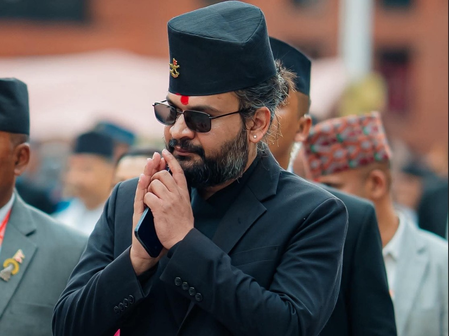
A significant Nepal project, part of China’s Belt and Road Initiative (BRI), has been removed from election promises by former Kathmandu Mayor Balen Shah, who is challenging former Prime Minister K.P. Sharma Oli in Jhapa-5. The upcoming parliamentary election in Nepal on March 5, amid an interim government formed after Oli’s resignation following anti-corruption protests, has brought attention to the Damak Industrial Park, now named Nepal-China Friendship Industrial Park. Concerns have been raised about the project’s proximity to the Nepal-India border, especially the sensitive Siliguri Corridor.
The Kathmandu Post reported that officials questioned the wisdom of allowing Beijing to construct a large project near the border, citing New Delhi’s unease and other sensitive factors. Balen Shah, a popular choice among Gen Z as Nepal’s interim Prime Minister, declined the role. Representing the Rastriya Swatantra Party (RSP), the 35-year-old engineer-rapper-turned-politician is now seen as a potential future Prime Minister. The project, a part of the BRI initiated by Chinese President Xi Jinping, was inaugurated by former PM Oli in February 2021 in Jhapa’s Kamal Rural Municipality.
Former PM Oli, associated with the Communist Party of Nepal (Unified Marxist Leninist), had close ties with Beijing. While Oli included the industrial park in his commitments, Balen Shah omitted it from his manifesto, stating awareness of the project’s controversies as the reason. Reports earlier indicated disagreements between political parties in Nepal over BRI loans and delays in project implementation, raising doubts about the initiative’s effectiveness. Concerns have been expressed in Nepal regarding the financial implications of BRI projects, drawing parallels with Sri Lanka’s challenges linked to similar Chinese investments.
