


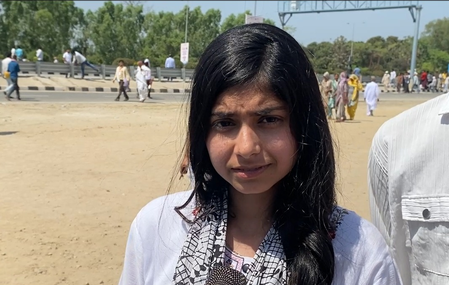
The newly-inaugurated Delhi–Dehradun Economic Corridor, constructed at a cost exceeding Rs 12,000 crore, has garnered enthusiasm from the people of Saharanpur. Residents believe the project will not only enhance travel convenience but also spur development, ensuring wildlife safety. Local individuals view the corridor as a transformative endeavor that will reduce travel time, improve connectivity, and stimulate economic growth in Uttarakhand and the national Capital.
Launched on Dr Bhimrao Ambedkar’s birth anniversary, the project is lauded as a significant public welfare initiative. Improved connectivity is seen as a positive step towards providing better access to education, jobs, and healthcare for the youth. The Maa Shakambhari Corridor and Sarsawa Air Terminal’s development alongside the project has further magnified its impact.
Residents have expressed gratitude to Prime Minister Narendra Modi for what they consider a historic contribution to the region. Young people, in particular, appreciate the reduced travel time benefits. Previously, journeys to Delhi or Dehradun for educational purposes took hours, but now, with the new corridor, travel is expected to be faster, safer, and more convenient.
The project has also garnered attention for being developed as Asia’s largest wildlife corridor, aimed at facilitating safe animal movement. Locals note that the corridor will prevent accidents and loss of animal life caused by animals straying onto highways. Elderly citizens and women have also welcomed the initiative, citing past travel hardships due to long hours and traffic disruptions.
With the corridor’s operationalization, residents are optimistic that challenges faced during emergencies and adverse weather conditions will diminish. The project is seen as a significant stride towards modern infrastructure development while addressing environmental concerns. The Delhi–Dehradun Economic Corridor is expected to not only enhance regional connectivity but also boost tourism, trade, and overall socio-economic progress in northern India.
