


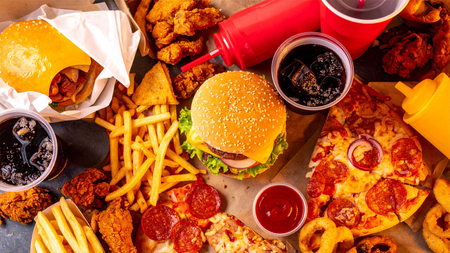
Obesity is becoming a significant public health concern in India, as highlighted in the Economic Survey for 2025-26. Factors such as unhealthy diets, sedentary lifestyles, increased consumption of ultra-processed foods, and environmental influences are driving this alarming trend. This issue is affecting people of all ages, increasing the risk of non-communicable diseases like diabetes, heart disease, and hypertension across urban and rural populations.
The Economic Survey, presented in Parliament by Finance Minister Nirmala Sitharaman, revealed data from the 2019-21 National Family Health Survey. It indicated that 24% of Indian women and 23% of men are overweight or obese. Among women aged 15-49, 6.4% are obese, while among men, the figure is 4.0%. The prevalence of excess weight in children under five has also seen an increase from 2.1% in 2015-16 to 3.4% in 2019-21.
Notably, over 3.3 crore children in India were obese in 2020, a number projected to rise to 8.3 crore by 2035. The Economic Survey expressed concern over the growing market for ultra-processed foods in India, which is altering traditional dietary habits, deteriorating diet quality, and elevating the risk of chronic diseases.
India has witnessed a significant surge in the sales of ultra-processed foods, with a more than 150% growth from 2009 to 2023. Retail sales of these foods escalated from $0.9 billion in 2006 to nearly $38 billion in 2019, coinciding with a near doubling of obesity rates in both men and women. This trend aligns with the global increase in obesity linked to dietary changes.
The rise in ultra-processed food consumption carries substantial economic implications, leading to higher healthcare costs, reduced productivity, and long-term fiscal challenges. The government has initiated various programs like POSHAN Abhiyaan, Fit India Movement, and Eat Right India to combat obesity through a comprehensive approach encompassing health, nutrition, physical activity, and lifestyle modifications.
