


The law-and-order situation in Odisha became a major issue in 2025, with a series of high-profile crimes against women challenging the ruling Bharatiya Janata Party (BJP) government. The opposition parties, Biju Janata Dal (BJD) and Congress, criticized the government for a rise in atrocities, leading to a significant political confrontation.
One notable incident that gained national attention was the gang rape of a college student at Gopalpur beach in Ganjam district on June 15. Following public outcry over the lack of beach patrolling, Odisha Police arrested 10 individuals, including four juveniles, on June 17.
Subsequently, similar incidents of sexual abuse were reported across the state. In September, a 19-year-old college student was assaulted near the Baliharachandi Temple in Puri, where two miscreants tied her friend to a tree before committing the crime.
The state witnessed two cases of self-immolation related to harassment. In July, a student at Fakir Mohan (FM) Autonomous College in Balasore took her life due to alleged mental and sexual harassment by a faculty member. Additionally, a 15-year-old girl in Bayabar village, Puri district, also ended her life under similar circumstances.
Several distressing incidents in 2025, including the gang rape of a minor in Malkangiri, alleged sexual harassment of a student by hockey coaches in Jajpur, gang rape of a woman in Mayurbhanj, and rape and murder of a girl in Bhadrak, deeply impacted the people of Odisha.
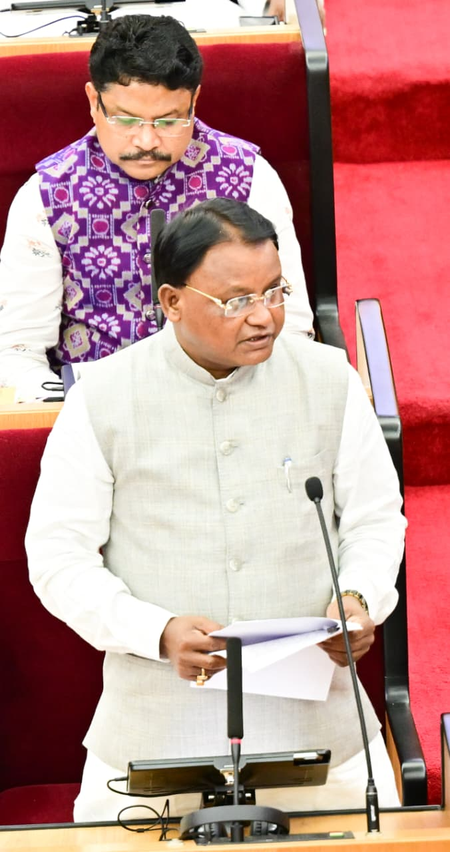
The budget session of the Odisha assembly in March 2025 witnessed a dramatic suspension of all 14 Congress MLAs for protesting crimes against women using traditional musical instruments. The BJP-led government’s dismissal of Opposition claims regarding law and order contrasts with the public outrage and protests, keeping women’s safety a central political issue.
As 2025 ends, crimes against women remain a critical and politically charged concern in Odisha. The government’s response to these incidents and the effectiveness of preventive measures will likely influence public trust and the state’s political landscape moving forward.
