


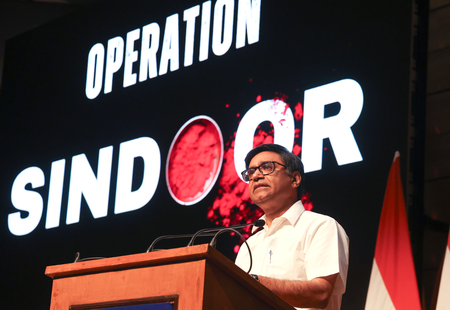
Operation Sindoor was a significant move by the Indian armed forces to retaliate against the Pahalgam attack in Pakistan. It aimed to convey that any act of terrorism would be treated as an act of war. The operation targeted various terror camps, including those of Jaish-e-Mohammed and Lashkar-e-Taiba, causing substantial damage to their infrastructure and manpower.
India’s response through Operation Sindoor signified a shift in its approach towards terrorism, emphasizing a robust stance against such activities. By hitting terror infrastructure in Pakistan and PoK, India made it clear that any cross-border terrorism would not be tolerated. The operation, executed with modern military equipment like Akash and BrahMos missiles, showcased India’s military prowess and strategic capabilities.
The aftermath of Operation Sindoor included briefings by military women, highlighting the successful strikes on terror training camps. These briefings aimed to counter Pakistan’s false claims and present evidence of the operation’s success. India’s demonstration of military strength through this operation reinforced its zero-tolerance policy towards terrorism and sent a clear message to its adversaries.
Prime Minister Narendra Modi’s leadership during Operation Sindoor was characterized by strategic restraint and a firm resolve against terrorism. The operation, which involved a combination of military and non-military measures, garnered international support while maintaining India’s stance against nuclear blackmail and terror sponsorship. The strikes on terror camps and air defense operations underscored India’s commitment to combating terrorism effectively.
