


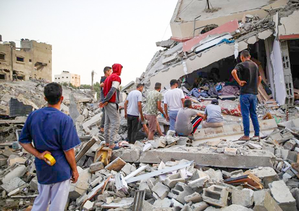
An estimated more than 1 million people in Gaza, which is approximately every other person, are still in critical need of shelter assistance, as reported by the Office of the Spokesperson for the UN Secretary-General. Despite the distribution of thousands of tents and hundreds of thousands of tarpaulins and other supplies following the ceasefire, the demand for shelter aid persists. Humanitarians in Gaza are assisting the most vulnerable families who are struggling in makeshift tents damaged by harsh winter conditions.
The UN Office for the Coordination of Humanitarian Affairs highlighted the ongoing challenges faced by humanitarians in Gaza due to the adverse weather conditions. Hundreds of thousands of Palestinians are enduring difficult circumstances, with damaged tents from rain, wind, and seawater waves exacerbating their plight. Additionally, UN partners involved in water, sanitation, and hygiene are encountering difficulties in managing solid waste, leading to a widening gap between the amount collected and the accumulated waste.
Despite the obstacles, teams supported by the UN Children’s Fund have been successful in removing 1,000 tonnes of solid waste monthly since the ceasefire. This initiative plays a crucial role in protecting the well-being and health of children and their families in Gaza. The UN Development Programme has emphasized the severe impact on solid waste management services, with only a few temporary dumping sites accessible and operational, posing environmental and public health risks.
The Inter-Agency Standing Committee, comprising UN entities and their partners, has urged Israeli authorities to reconsider their decision to prohibit numerous international non-governmental organizations from operating in the occupied Palestinian territory. These organizations play a central role in humanitarian operations in the region, as emphasized in a statement issued by the committee.
