


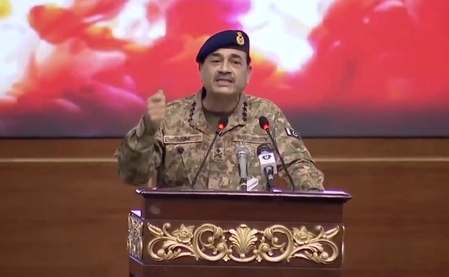
People in Pakistan are expressing worry about Army Chief Asim Munir’s perceived failure to control the increasing militancy, especially in Khyber Pakhtunkhwa and Balochistan. The rise in militant attacks and casualties is linked to operational weaknesses in Munir-led security forces, with over 5,300 militant attacks reported in 2025.
Munir, who was promoted to Field Marshal in 2025 for his security efforts, faced a 74% rise in combat-related deaths the same year, indicating a significant decline in internal stability. Criticism includes his inability to curb militant activities and maintain domestic order, despite his authority and public assurances.
Former Afghan Deputy Minister of Defence, Tamim Asey, accused Munir of jeopardizing Pakistani soldiers’ lives at the Afghan border while struggling to combat militancy in Balochistan. Asey urged dialogue to prevent further bloodshed, warning of grave consequences if the situation escalates.
The report also quoted locals blaming Munir for instigating violence, with one resident stating that terrorism in tribal areas is orchestrated under Munir’s leadership. Concerns were raised about Munir’s mining plans in Balochistan potentially fueling more militancy, further alienating local populations.
ACLED senior analyst Pearl Pandya emphasized the need for a comprehensive approach to tackle militancy in Pakistan, involving sustained military pressure, political engagement with local groups, and cooperation from Afghanistan. Pandya warned of potential security deterioration in 2026 if these critical factors are not addressed.
