


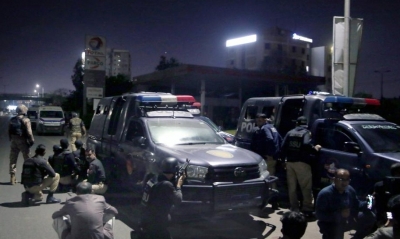
Ranked first in the 2026 Global Terrorism Index, Pakistan continues to grapple with a persistent internal conflict, as highlighted by the Pakistan Institute for Conflict and Security Studies (PICSS) data. In 2025 alone, the country recorded 1,045 incidents and 1,139 fatalities, marking the highest death toll in over a decade. The resurgence of the Tehreek-i-Taliban Pakistan (TTP) has been a significant factor contributing to the violence, particularly concentrated in Khyber Pakhtunkhwa and Balochistan.
Pakistan’s provinces, including Sindh, Balochistan, Punjab, and Khyber Pakhtunkhwa, have been affected by the centralized control of Punjab, leading to feelings of marginalization among other regions. Balochistan, known for its rich natural resources and strategic importance in the China-Pakistan Economic Corridor (CPEC), has long demanded independence and greater autonomy over its resources and cultural heritage.
The province of Sindh, once a thriving center of trade and agriculture, is now grappling with poverty levels at 45% and a severe water shortage of 62%. Disputes over canal projects have further exacerbated tensions between provinces, with concerns over water diversion sparking protests and governmental backlash. Meanwhile, Pakistan-occupied Gilgit-Baltistan faces challenges of economic exploitation, lack of representation, and protests over resource mismanagement.
The ongoing unrest in Khyber Pakhtunkhwa, fueled by Islamist militant groups like the TTP and the Islamic State Khorasan Province (ISKP), has intensified following the Taliban’s resurgence in neighboring Afghanistan. The prevalence of enforced disappearances, particularly targeting activists critical of resource exploitation, has raised human rights concerns. Until Pakistan addresses underlying economic disparities and political exclusion, the country’s internal conflicts are likely to persist.
