


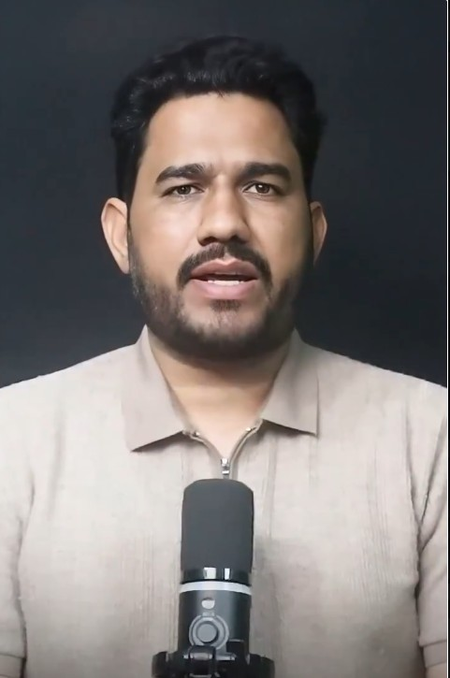
The Human Rights Council (HRC) of Pakistan has strongly criticized the recent arrest of senior journalist Razi Tahir and the revocation of his bail. This move has been denounced as an attack on media freedom in the country. Tahir’s bail plea was reportedly rejected by a Pakistani court, leading to his arrest under the Prevention of Electronic Crimes Act (PECA), a move criticized as a “fabricated case.”
Expressing deep concern over the incident, the HRC emphasized that the Constitution of Pakistan guarantees freedom of expression and legal protection to every citizen, especially journalists. The Council highlighted that harassing or targeting journalists for performing their professional duties undermines democratic values and press freedom.
The rights body has called upon the Government of Pakistan, relevant authorities, and the superior judiciary to ensure transparency in legal proceedings, consistent application of the law, and adherence to international human rights standards in handling Tahir’s case. It stressed the urgent need for an impartial review of this matter to uphold the rule of law and prevent any suppression of press freedom.
Journalists in Pakistan have recently urged the Parliament to reconsider all media laws, citing the amendments to the PECA 2016 as draconian and aimed at intimidating journalists and stifling the media landscape in Pakistan. At the National Journalists Convention on “Media Laws, Regulations, and Ethics,” organized by the Pakistan Federal Union of Journalists (PFUJ) and the Rawalpindi-Islamabad Union of Journalists (RIUJ), a declaration known as the “Islamabad Declaration” demanded a review of all media laws conflicting with Article 19 of the Constitution.
