


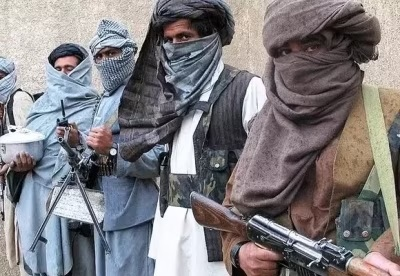
When Pakistan engaged in a conflict with the Afghan Taliban, it unknowingly bolstered the Islamic State Khorasan Province (ISKP). The ISKP has since grown stronger, experiencing a significant rise in recruitments. The Afghan Taliban and ISKP were initially adversaries, with the Taliban rejecting an offer from the Islamic State’s founder to collaborate in Afghanistan.
The Taliban’s refusal to align with the Islamic State led to the emergence of the ISKP in Afghanistan, sparking a conflict between the two groups. The ISKP’s objective was to establish control in Afghanistan, create a Caliphate in Pakistan, and target India. Despite the ISKP’s rapid formation and attacks in Pakistan and Afghanistan, its influence waned after the Taliban’s takeover of Afghanistan post the US troop withdrawal.
By 2023, the ISKP had been largely dismantled as the Afghan Taliban confronted the terror group. Tensions between the Taliban and Pakistan escalated, with Pakistan accusing the Taliban of supporting the Tehreek-e-Taliban Pakistan (TTP) without evidence. Subsequently, Pakistan launched an offensive against Afghanistan, prompting the ISKP to switch allegiances and receive support from Pakistan.
The ISKP’s alliance with Pakistan against the Taliban and TTP has allowed it to regroup and expand its operational capacity. A weakened Taliban has inadvertently empowered the ISKP, creating a new challenge for Pakistan. The ISKP, while focusing on building a stronghold in Afghanistan, is also eyeing India and collaborating with Pakistan to advance its interests in Jammu and Kashmir.
Despite Pakistan’s support, the ISKP remains a potential threat to its benefactor. The ISKP, which previously targeted Pakistan, has benefited from the ongoing conflict between Pakistan and the Afghan Taliban. As the war persists, the ISKP gains more time to strengthen its position and pose a greater risk to regional stability.
