


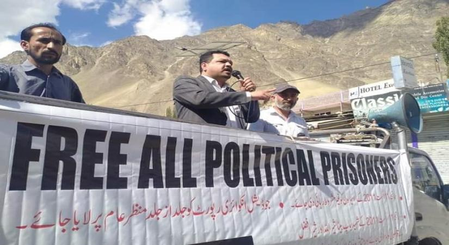
Pakistan is preparing to conduct Assembly elections in Gilgit-Baltistan, a region it has occupied since 1947. However, concerns have been raised regarding the legitimacy of these polls due to the absence of a provisional constitution for the region and limited legislative powers of the Assembly over resources. Nationalists in the area are advocating for the reinstatement of the state subject rule, legislative autonomy, and even reunification with India to safeguard cultural identity and ensure democratic self-determination.
The Institute for Gilgit Baltistan Studies founder, Senge Sering, highlighted that the United Nations Security Council resolution calls for the removal of all Pakistani nationals from Gilgit-Baltistan to resolve the dispute with India. Despite these demands, the Pakistani authorities have been accused of seizing local lands, appointing their own representatives through questionable elections, and disregarding the region’s unique identity and aspirations.
The upcoming elections have sparked controversy as nationalists have historically boycotted them due to the requirement for candidates to pledge allegiance to Pakistan. This time, however, the nationalist coalition plans to participate in all constituencies to challenge what they see as a process that empowers Pakistani proxies and undermines the true national identity of Gilgit-Baltistan. The report also points out Pakistan’s exploitation of the region’s resources, demographic engineering, and the encouragement of foreign businesses to exploit local assets, further complicating the situation.
