


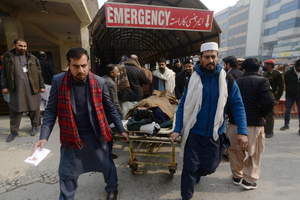
Pakistan has been ranked as the most terrorism-affected country in the 2026 Global Terrorism Index, even as global terrorism has decreased. This ranking sheds light on the internal challenges deeply rooted within Pakistan. The data in the index reveals the immediate impact of violence and the long-term consequences of structural and strategic policy decisions.
In 2025, Pakistan witnessed a significant surge in terrorism, with 1,139 deaths, 1,045 attacks, 1,595 injuries, and 655 hostages reported. This marked the country’s deadliest year since 2013, with a score of 8.574, surpassing all other nations on the index. Despite a global trend of decreasing terrorism, Pakistan moved in the opposite direction.
The violence in Pakistan is concentrated geographically, with Khyber Pakhtunkhwa and Balochistan provinces accounting for a large percentage of attacks and casualties in 2025. These regions, characterized by instability and limited state control, continue to be hubs of militant activities. The report attributes this pattern to decades of conducive conditions along the Afghanistan-Pakistan border.
The tribal areas in Pakistan, historically under limited governance, have provided shelter to various terror groups like al-Qaeda and the Haqqani Network. The presence of cross-border ethnic and social networks has facilitated movement, complicating surveillance and enforcement efforts. These structural challenges underscore the persistent issue of militant networks thriving in fragmented governance environments.
The Global Terrorism Index emphasizes that Pakistan’s current situation is a culmination of long-term structural and policy choices. The identified factors, including porous border regions and evolving militant ecosystems, have developed over decades. The rise in attacks, regional violence concentration, and the influence of specific groups indicate a sustained pressure on Pakistan’s security landscape, reflecting ongoing trends.
