


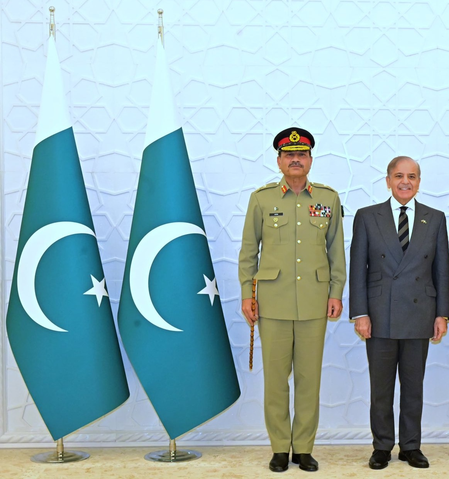
Pakistan’s recent arms deal with the Libyan National Army (LNA) has sparked worries globally. The $4 billion agreement, involving the supply of advanced weaponry like JF-17 fighter jets and tanks, was brokered during a visit by Pakistan’s Chief of Army Staff, General Asim Munir. This move, seen as prioritizing profit over peace, has raised fears of sanctions and diplomatic repercussions for Pakistan.
The deal has drawn criticism for violating the United Nations arms embargo on Libya, which aims to prevent further escalation in the war-torn country. By supporting the LNA, Pakistan risks severe backlash and damages to its international reputation. The decision has also fueled concerns about Pakistan’s alignment with autocratic regimes and its departure from democratic principles.
The arms agreement not only jeopardizes Pakistan’s standing on the global stage but also undermines efforts for peace and stability in Libya. By backing a faction outside the UN-recognized Government of National Unity, Pakistan is perceived as taking sides in Libya’s complex political landscape. This move, driven by short-term economic gains, could have long-term consequences for both countries involved.
