


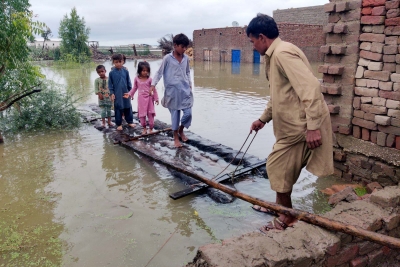
Pakistan is grappling with a range of climate-related challenges, including melting glaciers, rising sea levels, smog, and water scarcity. These issues are exacerbated by rapid population growth, governance issues, and outdated infrastructure. The country’s vulnerability to climate emergencies is a pressing concern, with each city facing unique threats.
Climate activist Zain Haq highlighted the severity of Pakistan’s climate crisis, emphasizing the immediate risks to basic human needs like food, water, and shelter. Despite its relatively small contribution to global emissions, Pakistan’s vulnerability is significant, underscoring the urgent need for action.
In Quetta, groundwater levels have drastically declined since the late 1990s, posing a serious threat to the city’s population. The situation is exacerbated by a yearly reduction in water supply, further straining resources. Rising temperatures are also a growing concern, with coastal cities like Quetta and Lahore facing potential spikes in average temperatures.
Karachi is experiencing a water shortage crisis, compounded by the lack of underground water storage. Efforts to address the issue, such as the K4 plan to supply water from Keenjhar lake, have faced delays. The city also faces challenges related to food security, with recent floods and climate instability impacting crop production and contributing to inflation.
