


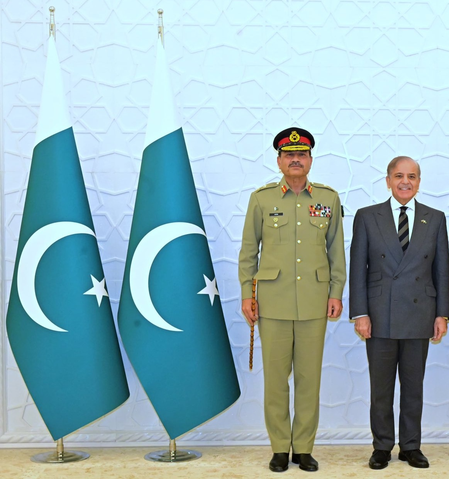
Pakistan’s economy heavily relies on International Monetary Fund (IMF) aid and support from allies like Saudi Arabia and China. Despite this dependence, Pakistan strives to project strength and independence, showcasing defense deals and arms exports to create a facade of stability. However, beneath this display lies a struggling economy plagued by issues like inflation, unemployment, and debt, which are often overlooked in official narratives.
The emphasis on defense exports serves as a distraction from Pakistan’s economic challenges, offering a sense of national pride but failing to address the underlying vulnerabilities. The country’s narrative of military prowess and arms sales as a substitute for economic reform is more about perception management than genuine financial stability. While Pakistan markets its JF-17 fighter jet as a symbol of strength, the reality is that its value lies more in accessibility than technological superiority.
Pakistan’s defense trade extends to conflict-ridden regions like Libya and Sudan, highlighting opportunism rather than global trust. Military cooperation with countries like Bangladesh is driven by political motives aimed at unsettling regional dynamics, particularly concerning India. Despite the outward projection of power through defense exports, the true beneficiaries are the military establishment, consolidating its control over the economy and politics at the expense of civilian welfare.
The paradox of Pakistan’s image as a strong and unyielding nation contrasts sharply with the internal struggles of its populace, grappling with economic hardships while the military thrives. The country’s reliance on external financial support, coupled with the military’s dominance over the narrative, underscores a facade of power that masks underlying fragility and dependency. Pakistan’s economic survival strategy hinges more on perception management and reassurance through arms exports than on genuine reform and prosperity.
