


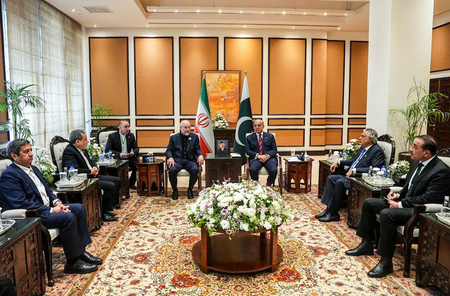
Pakistan’s involvement in mediating the US-Iran conflict has drawn attention due to key inconsistencies and geopolitical implications. Despite the role of a mediator requiring impartiality and acceptance from all parties involved, Pakistan’s approach has deviated from these principles. Notably, Israel, a party to the conflict, was excluded from Pakistan’s mediation efforts, reflecting Pakistan’s non-recognition of Israel as a country.
The report also questions Pakistan’s credibility as a mediator, particularly in light of its alliance with Saudi Arabia through a Strategic Mutual Defence Agreement. Concerns have been raised regarding Pakistan’s impartiality given its treaty obligations to support Saudi Arabia in case of military threats, while its stance towards Iran remains uncertain. Additionally, Pakistan’s involvement in the mediation process has been viewed as a strategic move to garner support against Afghanistan, overshadowing its own conflict with the neighboring nation.
Furthermore, Pakistan’s narrative of portraying itself as a peacemaker in the West Asian conflict has faced scrutiny. While Pakistan aims to project a positive image by facilitating mediation and ensuring the free flow of crude oil through the Strait of Hormuz, doubts persist regarding its true intentions and the effectiveness of its efforts. The report highlights the complexities and contradictions in Pakistan’s role, emphasizing the need for a more transparent and consistent approach to mediation efforts.
