


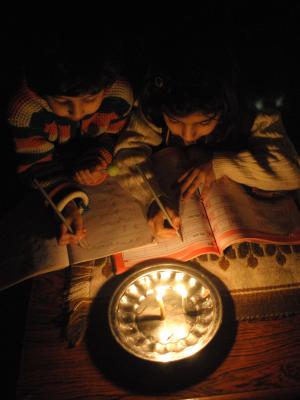
Pakistan’s National Electric Power Regulatory Authority (Nepra) has issued a critical report on the state of the country’s power sector. Nepra highlighted issues such as distribution companies facing governance challenges, exceeding loss limits, low bill recovery, and load-shedding due to technical and commercial losses. The report also mentioned the Debt Service Surcharge, attributing it to poor governance leading to higher utility tariffs and impacting industries by raising energy costs above the regional average.
The report’s findings contradicted Prime Minister Shehbaz Sharif’s praise for the power sector team, prompting Federal Minister for Power Awais Leghari to dispute the report’s accuracy, citing incomplete data. The government aims to eliminate circular debt through a six-year plan, including canceling expensive projects to save costs. Despite borrowing at lower rates to repay previous high-interest loans, concerns arise over passing on these costs to consumers, affecting public comfort levels.
The Power Minister criticized Nepra for allegedly disregarding data from the Ministry, raising questions about regulatory authorities’ roles in protecting consumers. Regulatory bodies like Nepra and Ogra are designed to ensure consumer welfare, product quality, fair competition, and prevent fraud. Recent amendments proposed to make Nepra subordinate to the Power Division have raised consumer concerns, emphasizing the importance of regulatory independence in safeguarding public interests.
Regulatory bodies play a vital role in consumer protection, industry quality, and market fairness. The government’s attempts to exert control over regulatory entities through legislation could hinder their ability to serve the public effectively. Upholding the autonomy of regulatory bodies like Nepra is crucial for ensuring consumer rights and fostering a transparent and efficient system that minimizes the need for continual borrowing.
