


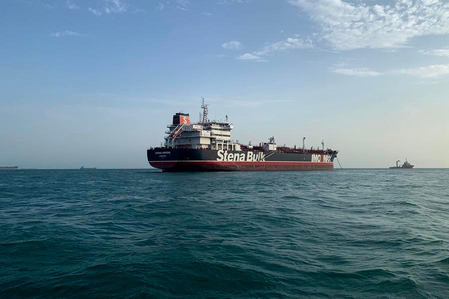
The Pentagon’s assessment reveals that Iran has faced a significant loss of approximately $4.8 billion in oil revenue because of a blockade enforced by the US Navy on its ports. This blockade has led to the seizure of two tankers, with an additional 31 tankers, carrying about 53 million barrels of oil, currently stranded in the Gulf. The disruption caused by the blockade has severely impacted Iran’s oil exports.
Some vessels are now choosing a more expensive and longer route to transport oil to China to avoid potential US maritime interdiction. This shift in shipping patterns underscores the concerns over enforcement actions by US forces. The blockade on Iranian ports was initiated by the United States during a temporary truce as part of efforts to pressure Iran into accepting a Pakistan-brokered ceasefire to end the conflict involving Israel, the US, and Iran.
Iran had recently announced the full reopening of the Strait of Hormuz for commercial shipping following a 10-day truce between Israel and the Iranian-backed Hezbollah in Lebanon. However, the US has maintained its blockade, leading to renewed restrictions on the waterway until a permanent agreement is reached to end the conflict with Iran. President Donald Trump declared that the war against Iran has ended, citing the 60-day legal deadline for military action launched without Congressional approval.
Trump informed lawmakers that there has been no exchange of fire between the US and Iran since April 7, 2026. The hostilities that began on February 28, 2026, have officially ceased. This move aims to resolve the debate over the necessity of Congressional approval for the conflict under the War Powers Resolution of 1973, which requires the president to terminate military action within 60 days unless authorized by Congress.
