


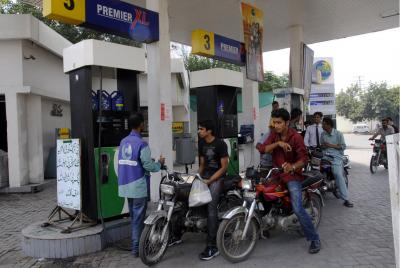
Petrol and diesel prices in Pakistan have spiked by nearly Rs 55 per litre following the Iran war outbreak, reflecting the energy import challenges faced by the country. Global oil price surges and increased shipping costs, driven by war-related premiums and security risks, have compelled Pakistan to pass on the price hikes to consumers. The recent Rs 55 per litre increase may just be the start, as per a report from the Karachi-based Business Recorder.
The escalation in oil prices, if prolonged, is expected to result in higher transport expenses, elevated food prices, accelerated inflation, and a notable uptick in business operation costs. Pakistan’s vulnerability to global energy shocks is attributed to a structural policy failure, as the country heavily relies on imported fuels despite possessing abundant domestic energy resources. This approach neglected a crucial principle of national energy planning: energy security, the report highlighted.
Despite being rich in indigenous energy potential, Pakistan’s energy system primarily hinges on imported fuels, overlooking its significant domestic resources. The country boasts substantial lignite deposits in the Thar coal reserves, capable of generating over 100,000 megawatts for more than a century. Furthermore, Pakistan holds vast untapped hydropower potential exceeding 60,000 megawatts, along with favorable solar and wind energy prospects in regions like Sindh and Balochistan.
The report underscores that Pakistan missed a strategic opportunity to develop its energy infrastructure around indigenous resources, emphasizing a critical policy failure. Over the past two decades, energy security concerns have been repeatedly raised, advocating for reduced reliance on imported fuels and prioritization of domestic resources. Had Pakistan shifted a considerable portion of its energy generation to hydropower and Thar coal, its economic landscape would have been markedly different today, the report concluded.
