


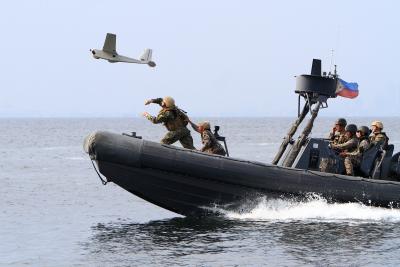
The Philippines and China have reached a provisional understanding regarding the contested Second Thomas Shoal in the South China Sea. This agreement highlights Manila’s approach of countering Chinese coercion through quiet determination supported by political leadership, alliance assistance, strategic military actions, and public readiness to bear the costs of managed escalation.
The resolution was achieved through persistent efforts by the Philippines, which did not rely on mere rhetoric or diplomatic statements. Instead, Manila showcased a model of resistance against coercion through a steadfast President, allied support at sea, calculated military strategies, and public acceptance of the consequences of controlled escalation.
The report emphasizes that while the current arrangement may face challenges from China in the future, the key lies in Manila’s ability to stand firm and endure any attempts to alter the agreement. The Philippines’ response to Chinese pressure was characterized by national resolve, demonstrating a commitment to pursue its national interests despite increasing costs and pressure to yield.
Chinese maritime forces had intensified pressure around Second Thomas Shoal leading up to the understanding in July 2024, employing tactics such as military-grade lasers, dangerous maneuvers, water cannoning, and a violent boarding incident that injured Philippine Navy personnel. Throughout this period, the Philippines balanced assertive transparency with diplomatic efforts to counter Chinese coercion and disinformation.
The strategic lesson from the provisional understanding is that Manila successfully safeguarded its interests in Second Thomas Shoal by showcasing unwavering national resolve, which limited the effectiveness of Chinese coercion. This underscores that prolonged tension can sometimes be advantageous, reshaping the dynamics of future negotiations by denying the coercing party its objectives.
