


Amid rising tensions in West Asia, the Indian government has heightened its monitoring efforts to assess potential impacts on the country. Prime Minister Narendra Modi led an emergency meeting of the Union Cabinet Committee on Sunday night to discuss strategies. The focus was on ensuring the supply of essential goods, maintaining food security, and safeguarding critical economic sectors.
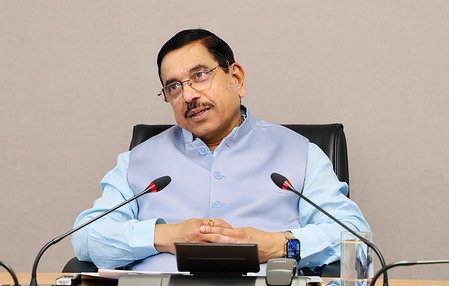
During the meeting, the Prime Minister engaged in detailed discussions with senior ministers and officials to address the current situation and anticipate future implications of the conflict on India. A team of senior ministers, led by Union Food and Civil Supplies Minister Pralhad Joshi, was formed to manage the evolving scenario. The discussions encompassed various sectors such as agriculture, food security, petroleum, power, exports, and finance, emphasizing challenges and mitigation plans.
In light of the upcoming kharif season, the government evaluated fertiliser availability and supply, considering global disruptions. Prime Minister Modi also assessed stock levels and explored alternative sourcing options to ensure preparedness. Food security emerged as a key concern, with a focus on timely availability of food grains and essential items to maintain uninterrupted supply and protect consumer interests.
Emphasizing the importance of energy security, Prime Minister Modi assured no power shortage, citing adequate coal stocks and increased renewable energy generation. He highlighted India’s advancements in solar, wind, and green energy as strengths for the power sector. Additionally, the Prime Minister advocated for diversifying import sources in sectors like chemicals, pharmaceuticals, and petrochemicals, and encouraged exploring new export markets to enhance global trade.
To facilitate coordinated efforts, the Prime Minister directed the formation of specialized teams comprising ministers and departmental secretaries to address national security, defence preparedness, food supply, and essential commodities. Expressing concerns over the escalating conflict and its global implications, Prime Minister Modi urged departments to remain vigilant and proactive in safeguarding citizens’ interests. Officials were instructed to monitor markets closely to prevent artificial shortages and hoarding of essential goods, and to collaborate closely with state governments for timely interventions.
