


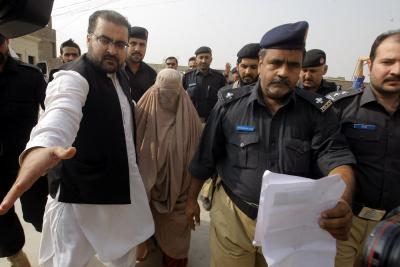
Police in Quetta, Pakistan, have detained more than 20 landlords and shop owners for leasing properties to undocumented Afghan migrants, as per local reports on Wednesday. The crackdown, initiated on Tuesday, targeted individuals who breached rental laws, resulting in cases filed against them under existing legal provisions governing housing and foreign residency, stated Afghanistan’s top news agency Khaama Press. The operation led to the identification and arrest of numerous undocumented Afghans, highlighting the mounting challenges faced by migrants in Pakistan.
Hundreds of undocumented Afghan migrants in Balochistan expressed struggles due to authorities’ imposed restrictions, making their daily lives increasingly challenging by limiting their access to housing, jobs, and essential services crucial for survival. Pakistan has enforced a ban on renting properties to undocumented foreign nationals in Islamabad and nearby regions, extending restrictions to utilities, mobile SIM cards, and other vital services, as reported by Khaama Press. Concerns have been raised by Afghan refugees in recent months through letters to the United Nations and other organizations regarding heightened arrests, harassment, and forced deportations.
On March 15, police in Pakistan’s Khyber Pakhtunkhwa detained over 300 illegal Afghan refugees during raids conducted in various parts of Swabi district, following the decision by district administration and police officials to deport illegal Afghans, according to Pakistan’s leading daily Dawn. The crackdown resulted in the arrest of 341 Afghan refugees during raids in Topi, Razaar, Chota Lahor tehsils, and other areas of Swabi on March 15, with plans for continued raids to detain and deport all illegally residing Afghan refugees back to Afghanistan. Approximately 30,000 Afghan refugees reside in different parts of Swabi, with many possessing proper documentation, while others stay unlawfully, including those in Gandaf Refugees Camp and Gohati Refugees Camp, as well as those scattered in farming fields and cities.
