


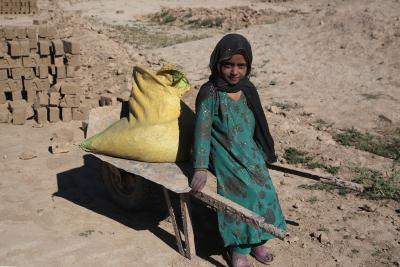
Both poverty and inequality have surged in Pakistan over the past six years, as per a report from the country’s Planning Commission. The Household Integrated Economic Survey (HIES) of 2018-19 and 2024-25, conducted by the Pakistan Bureau of Statistics (PBS), revealed this trend. The report indicates a worrying increase in national poverty from 21.9% to 28.9%, with rural poverty climbing from 28.2% to 36.3% and urban poverty from 11% to 17.4%.
The spike in poverty rates mirrors a rise in unemployment, growing inequality, and declining real household incomes. Unemployment has escalated from 5.7% to 7.1% between 2020-21 and 2024-25, while average real household income plummeted by 27.5% in the same period. The report by the Planning Commission attributes the deteriorating living standards to shifting economic policies, the impact of Covid-19 in 2019-20, and the extensive damage caused by floods in 2022-23.
The Planning Minister, presenting the report, underscored the importance of export-led growth, focusing on less developed districts, and achieving a better fiscal balance between federal and provincial governments. He stressed the necessity of prioritizing social protection through cash transfers, poverty graduation programs, and supporting Small and Medium Enterprises (SMEs). The report not only sheds light on the widespread decline in living standards in Pakistan but also offers recommendations for a growth strategy to combat inequality and poverty.
