


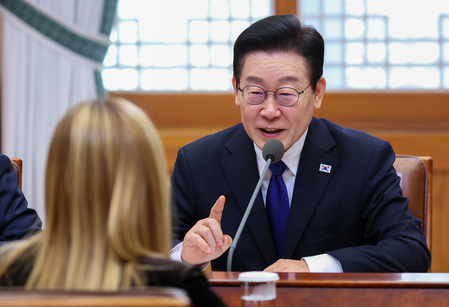
President Lee Jae Myung called for national cooperation in energy-saving efforts due to disruptions in global energy markets caused by the prolonged Middle East conflict. Despite this, he assured that electricity prices would remain unchanged. Lee emphasized the importance of gas stations aligning prices with the fuel price cap system to mitigate economic impacts.
Lee warned against exploiting the crisis for unfair profits through practices like collusion and hoarding, stating a zero-tolerance policy. While committing to keeping electricity rates stable, he highlighted the necessity of conserving electricity supplied by Korea Electric Power Corp. (KEPCO). The President cautioned that a shift to electricity from petroleum products could escalate KEPCO’s financial challenges and strain government finances.
In response to KEPCO’s mounting debt of about 206 trillion won (US$136.9 billion) from supplying electricity below production costs, Lee advocated for energy-saving measures. He urged the adoption of a five-day vehicle license plate rotation system in the public sector and promoted the use of public transportation. Additionally, Lee instructed officials to prepare a supplementary budget to address the broader economic repercussions of the ongoing conflict.
