


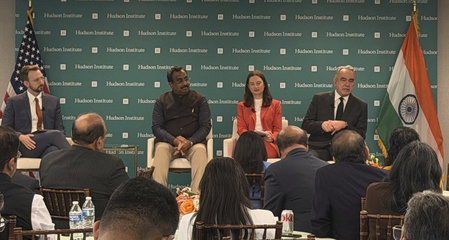
Ram Madhav, speaking at the Hudson Institute’s New India Conference, emphasized the need for India and the United States to recalibrate their relationship with “mutual respect, mutual sensitivity, and mutual interest.” He highlighted strains across the strategic, economic, and people-to-people pillars of the partnership. Madhav expressed concerns over uncertainties in US policy directions, especially regarding China and global alignments.
The economic aspect of the relationship, developed over two decades, is facing challenges due to tariff disputes and investment worries. Madhav noted a net negative Foreign Direct Investment (FDI) flow from the US to India, indicating imbalances in capital movements. Despite these challenges, he expressed hope for an upcoming trade deal that could potentially reset the economic ties between the two nations.
Addressing the Indian diaspora’s anxieties, Madhav stressed the community’s historical role in strengthening bilateral relations. He called for addressing concerns related to rhetoric affecting Indian-origin populations in the US. Madhav outlined three crucial steps to revive the momentum in the relationship, emphasizing the importance of mutual respect, sensitivity, and shared interests for consensus-building.
Cautioning against complacency, Madhav highlighted the urgency of addressing current tensions amidst rapidly evolving global challenges. He also warned against the expansion of global conflicts into the Indian Ocean region, advocating for dialogue and negotiation to prevent escalation. The New India Conference, held on April 23, convened policymakers and experts to discuss India’s global trajectory and the future of US-India relations.
