


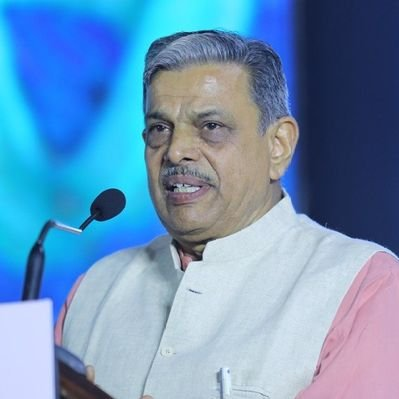
The Rashtriya Swayamsevak Sangh, on its 100th anniversary, expressed backing for significant political changes in India. General Secretary Dattatreya Hosabale advocated for “one nation, one election” to enhance democracy by reducing political disruptions. He emphasized the need for structural reforms alongside increased women’s participation in governance, citing it as revolutionary for political decision-making.
Hosabale highlighted the necessity of political education for citizens to think responsibly, stressing that democracy should prioritize national interest over partisan concerns. He criticized “appeasement politics,” calling for its cessation to uphold equality and unity in governance. The RSS leader emphasized the importance of a uniform civil code for legal equality and national cohesion, irrespective of religious or linguistic backgrounds.
In response to changing voter expectations, Hosabale linked the RSS’s influence to governance performance and cultural values shaping electoral outcomes. He noted a shift in public sentiment away from divisive politics towards social cohesion, particularly under RSS-affiliated leadership. Hosabale outlined the RSS’s focus on social transformation through initiatives promoting civic responsibility, public discipline, and community engagement.
The RSS’s evolving approach includes efforts to expand outreach, adapt to modern challenges, and build networks across civil society for broader cooperation. Hosabale described the RSS as not just an organization but a way of life rooted in cultural values, aiming to create “human social capital” that transcends organizational boundaries.
