


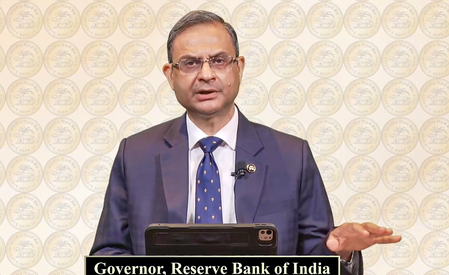
The Reserve Bank of India (RBI) Governor, Sanjay Malhotra, emphasized that India’s macroeconomic fundamentals remain strong despite geopolitical uncertainties. He expressed concerns about the impact of high public debt in major economies and the potential strain on global fiscal sustainability due to continued fiscal expansion and increased defense spending globally. Malhotra also highlighted risks associated with inflated valuations in certain asset classes, particularly in the technology sector, which could pose challenges for markets.
At the 25th FIMMDA‑PDAI Annual Conference in Amsterdam, The Netherlands, Malhotra underscored India’s resilient macroeconomic fundamentals supported by robust consumption and ongoing public investments, despite facing macroeconomic challenges from geopolitical tensions. He praised the government’s emphasis on capital expenditure for driving private investment and expanding productive capacity.
Malhotra pointed out that disrupted supply chains and escalating energy prices have already impacted economic activities. He cautioned that prolonged crises could lead to secondary inflationary pressures. The RBI Governor affirmed the central bank’s commitment to enhancing financial markets, increasing participation, and reinforcing institutional frameworks in response to growing global uncertainties. He acknowledged the progress made in India’s financial markets due to policy initiatives but stressed the need for further advancements.
Emphasizing the significance of data in policymaking, Malhotra urged trade repositories to improve data quality and accessibility to enhance risk assessment capabilities. He highlighted India’s recent economic growth, noting an average growth rate of 8.2% during 2021‑25 and a projected growth of 7.6% in 2025‑26. Malhotra forecasted a growth rate of 6.9% for 2026‑27, citing healthier corporate balance sheets, improved earnings, and strong fundraising through public markets as contributing factors.
