


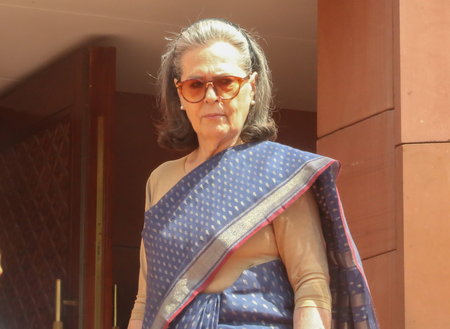
Sonia Gandhi’s recent op-ed pieces, with seven in two years and three centered on Gaza and Iran, have stirred a fresh political discussion on her priorities and motives behind criticizing PM Narendra Modi’s government. While Gandhi accuses the Centre of staying silent on Gaza and straying from India’s traditional foreign policy, government sources refute this, highlighting India’s consistent diplomatic efforts in West Asia. The contrasting views have led to questions on whether Gandhi’s emphasis on Gaza and Iran is a genuine foreign policy concern or a political message to a key domestic audience.
Government sources emphasize India’s support for a two-state solution, humanitarian aid for Palestinians, and diplomatic engagement, including with Iran, countering Gandhi’s claims of India’s silence and neglect of its responsibilities. They point out India’s balanced approach in maintaining ties with Israel while advocating for peace in the region. The acknowledgment of India’s efforts by Iranian officials further supports the government’s stance on its diplomatic engagements in West Asia.
Critics question Gandhi’s repeated focus on Gaza and Iran, suggesting it may be aimed at appealing to specific voter segments rather than fostering a substantive foreign policy debate. They raise concerns about the selective nature of Gandhi’s attention, wondering if it aligns with broader human rights issues or is driven by political motives. BJP leaders argue that India’s diplomatic stance remains nuanced, safeguarding humanitarian concerns, regional stability, and national interests, despite Gandhi’s persistent criticisms.
