


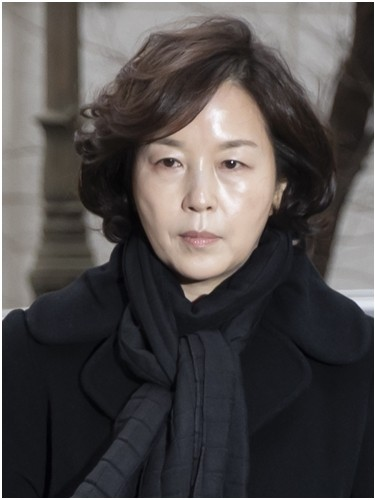
South Korea’s Police have requested arrest warrants for a lawmaker and a former Seoul city councillor involved in a bribery scandal related to the 2022 local elections. The warrants were sought for Rep. Kang Sun-woo, an independent who was previously part of the ruling Democratic Party (DP), and Kim Kyung, a former Seoul city councillor. Kim allegedly offered 100 million won (US$68,500) to Kang in exchange for a DP nomination for her councillorship before the 2022 local elections.
Kang admitted to receiving a shopping bag from Kim but denied knowledge of it containing cash. Police considered charging Kang with bribery under the Act on the Aggravated Punishment of Specific Crimes but decided on charges of accepting bribes in breach of trust. This decision was made as they deemed the nomination process to be a party affair rather than a public one. Kim, on the other hand, was charged with giving bribes in breach of trust.
The potential punishments for the crimes are up to four years and 18 months in prison for Kang and Kim, respectively. These penalties are less severe than the maximum sentences of 10 years and 3 1/2 years for accepting and giving bribes under the aggravated punishment act. The police stated that they will assess if the heavier bribery charge can be applied before transferring the case to the prosecution.
Both individuals were also accused of violating the Political Funds Act and the Improper Solicitation and Graft Act. The scandal surfaced last year after a recording was disclosed where Kang was heard discussing the money with former DP floor leader Kim Byung-ki. Despite leaving for the United States, Kim returned last month for investigation, raising suspicions of an escape attempt.
The investigation into Kang commenced after her removal from the DP, leading to suspicions of police delays. Typically, a court will hold a hearing within three days of a prosecution request for an arrest warrant to decide on its issuance. However, as a sitting lawmaker, Kang holds immunity from arrest during parliamentary sessions. To arrest her, the National Assembly must approve with a majority vote attended by most lawmakers.
