


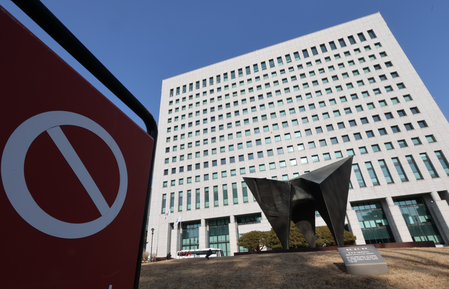
The South Korean government has made changes to bills regarding the establishment of two new bodies to replace the prosecution system. These bodies, the serious crimes investigation agency and the indictment agency, are scheduled to start operating in October. They will assume the investigative and indictment responsibilities currently held by the prosecution office. This move is part of President Lee Jae Myung’s efforts to address criticisms of politically motivated investigations by the prosecution.
The initial bills proposed nine major crime categories for the investigation agency to handle. However, the revised bill has reduced this number to six, excluding crimes involving public officials, elections, and large-scale disasters. This change aims to prevent overlaps with other agencies’ jurisdictions. The revised bill specifies that the investigation agency will focus on crimes related to corruption, economic offenses, defense industry, narcotics, cyber activities, insurrections, and foreign aggression.
Furthermore, the organizational structure has been simplified in the revised bill. It eliminates the differentiation between prosecutors and general professional investigators as outlined in the original proposal. Instead, all investigators will be categorized based on expertise and roles from Grades 1 to 9. The title of the agency’s chief will remain as “prosecutor general” without alteration.
In the updated bill for the indictment agency, a provision for the dismissal of a prosecutor as a disciplinary measure has been added. Previously, prosecutors could only be dismissed through impeachment or a prison sentence. The revised bill also prohibits unfair treatment of prosecutors who raise objections about the fairness of their superiors’ orders. The prosecution reform task force has issued legislative notices on these revised bills, which will be in effect until Thursday.
