


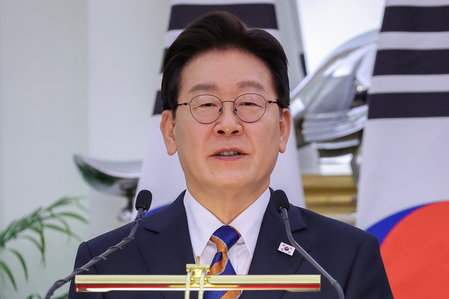
South Korean President Lee Jae Myung stated his willingness to accept the public sentiment reflected in the recent local elections. He emphasized his commitment to collaborating with newly elected local governments, irrespective of their political affiliations. The ruling Democratic Party, led by Lee, secured a majority of seats in the elections but did not win the Seoul mayoralty, although it did secure the mayoralty of Busan, a conservative stronghold.
Lee highlighted the importance of unity among political parties in serving the people and ensuring the nation’s progress. He urged both ruling and opposition parties to work together for the betterment of citizens’ lives, regional development, and national harmony post-election. The president also expressed disappointment over the ballot paper shortage issue that occurred at several polling stations in Seoul, criticizing the National Election Commission for the lapse in election administration.
Addressing the controversy surrounding the shortage of ballot papers, Lee called for a thorough investigation to determine the root cause and ensure accountability where necessary. The incident led to a temporary suspension of voting in some areas, with protesters gathering to voice concerns about potential election fraud. Despite calls for a revote from the opposition People Power Party, the election watchdog deemed the situation did not warrant a reelection under existing laws.
In response to the ballot paper shortage issue, Cheong Wa Dae initially deferred to the National Election Commission for resolution, considering it an independent constitutional body separate from the executive branch. The president emphasized the need for transparency and diligence in election management, underscoring the importance of upholding democratic principles.
