


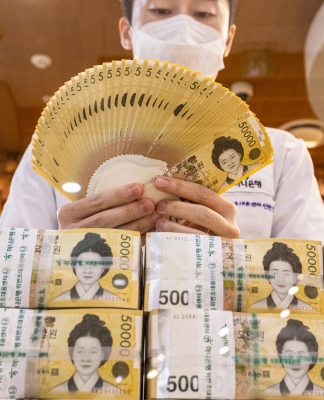
The South Korean won recorded its lowest annual average against the US dollar this year, standing at 1,422.16 won in onshore trading, the weakest level ever. This figure is lower than the previous record of 1,398.39 won set during the 1998 Asian financial crisis. On the final trading day of the year, the won closed at 1,439 per dollar, down by 9.2 won from the previous session.
The currency’s performance was influenced by various factors, including political instability following the imposition of martial law and the impeachment of the former President. Additionally, the interest rate gap between South Korea and the US, along with increased dollar demand from local investors’ overseas stock investments, contributed to the won’s depreciation. Notably, Lee Jae Myung was elected as the new president of South Korea in June.
To address the currency volatility, foreign exchange authorities implemented measures such as temporary capital gains tax exemptions for investors selling overseas stocks and buying domestic shares. The government also relaxed supervisory rules on banks’ foreign currency liquidity stress tests to deter excessive dollar hoarding. The National Pension Service engaged in strategic currency hedging, and authorities conducted verbal interventions in the market to stabilize the won.
In response to the situation, the Bank of Korea announced plans to enhance market monitoring and implement measures to curb herd behavior. The central bank aims to address structural imbalances in foreign exchange supply and demand, improve accessibility for foreign investors, and strengthen regional financial safety nets through various initiatives and discussions with partner countries.
