


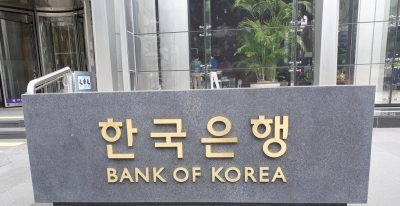
South Korea witnessed a rise in its money supply in December, attributed to growth in corporate and household deposits in both local and foreign currencies, as per data from the Bank of Korea. The country’s M2, a significant measure of the money supply, averaged 4,080.7 trillion won (US$2.83 trillion) in December, marking a 0.6 percent increase from the previous month. This increase follows a consistent upward trend since April, with a slight decline in November.
The surge in the money supply was primarily fueled by foreign currency deposits held by corporations and households, including banks’ U.S. dollar deposits. Notably, trade-related fund deposits by export and import firms played a significant role in this growth. Demand deposits also saw a rise as companies managed year-end financial ratios, while households experienced an inflow of surplus funds, including bonuses.
According to the data, liquidity among entities saw an increase of 12.9 trillion won for companies, 10.4 trillion won for households and nonprofit organizations, and 2.3 trillion won for other financial institutions. Additionally, the Bank of Korea reported a net supply of 4.76 trillion won (US$3.29 billion) in fresh banknotes for the Lunar New Year holiday this year, marking a 6.2 percent decrease from the previous year’s issuance.
The central bank mentioned that the decline in net issuance was due to a shorter Lunar New Year holiday period this year, lasting five days compared to six days last year. This year’s Lunar New Year holiday is set to begin on Tuesday and run through Wednesday. Traditionally, there is an increased demand for fresh bills during this period in South Korea, as elders customarily give cash gifts to younger family members after receiving New Year’s bows.
