


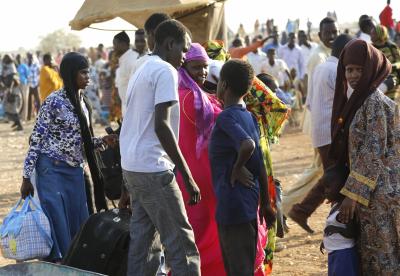
South Sudan is on the brink of a critical tipping point, with humanitarian needs surpassing the current international response, according to two United Nations agencies. The World Food Program and the Food and Agriculture Organisation have highlighted a severe hunger crisis in the nation due to escalating local conflicts, climate shocks, and inadequate aid funding. This situation has led to a focus on providing aid to populations already in “Catastrophe” levels of hunger, leaving millions in vulnerable conditions without sufficient assistance.
The latest projection from April to July indicates that 7.8 million people in South Sudan, accounting for 55% of the population, are in Crisis or worse according to the Integrated Food Security Phase Classification (IPC). This figure represents an increase of approximately 280,000 people compared to the previous lean season projection in September 2025. High-risk areas like Akobo, Nyirol, Luakpiny/Nasir, and Ulang are facing a critical convergence of challenges, including conflict, displacement, access limitations, and market collapse.
The UN Office for the Coordination of Humanitarian Affairs (OCHA) has raised concerns about intensifying drought risks in South Sudan. Seasonal forecasts suggest below-average rainfall and above-average temperatures during the June-September rainy season, posing further challenges. Already, reports indicate that people are migrating from areas around Kapoeta in Eastern Equatoria to Kenya due to water scarcity and worsening livelihoods.
