


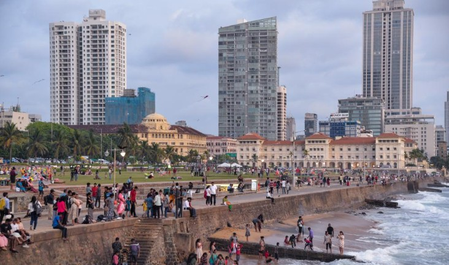
Sri Lanka welcomed over 2.36 million foreign tourists in 2025, marking its highest arrival numbers in a single year. Despite the disruptions caused by Cyclone Ditwah, the country’s tourism revenue soared to 3.2 billion US dollars, solidifying its position as a key foreign exchange source.
Tourist arrivals remained robust post-cyclone, supported by policy measures and promotional efforts. Looking ahead, Sri Lanka aims to attract 3 million foreign tourists in 2026, anticipating a 27% increase from 2025. This growth is expected to aid economic recovery, especially after the International Monetary Fund revised the country’s 2026 growth forecast to 2.9% following the cyclone impact.
The World Bank’s report estimates that Cyclone Ditwah caused around 4.1 billion US dollars in direct physical damage to Sri Lanka, equivalent to about 4% of the country’s GDP. The damage was most severe in the Central Province, particularly in the Kandy district, where flooding and landslides led to significant losses.
Infrastructure bore the brunt of the damage, accounting for 42% of the total losses, amounting to approximately 1.74 billion dollars. The cyclone also inflicted substantial losses on agriculture, homes, and non-residential buildings, raising concerns about food security and recovery challenges, especially for vulnerable groups like women, children, and the elderly.
