


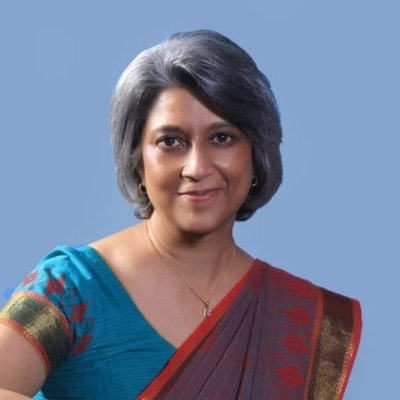
Sri Lankan High Commissioner to India Mahishini Colonne highlighted the importance of women’s involvement in political institutions, stating that it can enhance policymaking with diverse viewpoints. Colonne stressed that empowering women in Parliament could lead to more inclusive governance by offering varied perspectives for policy formulation.
The remarks come ahead of a forthcoming Special Session of Parliament set to commence on April 16. The session is expected to deliberate on amendments to the Nari Shakti Vandan Adhiniyam, 2023, and a proposed delimitation bill to enable a one-third reservation for women in Parliament. The Central government recently shared the text of the Constitution (131 Amendment) Bill, 2026, with MPs, aiming to increase Lok Sabha seats to 850, including representatives from States and Union Territories.
The proposed Bill suggests a maximum of 815 members directly elected from State constituencies, with an additional provision for Union Territories. Currently, there are 530 Lok Sabha members from States and 20 from UTs, although a delimitation commission had previously set the number at 543. Another significant amendment in the Bill pertains to defining the population, granting Parliament the authority to determine the data for expanding the number of seats.
The Union Cabinet has approved the Bill seeking to amend the Constitution for the early implementation of a 33% quota for women in Lok Sabha and Assemblies, along with increasing lower house seats. The amendment also includes alterations in article 82 to expedite the implementation of the quota before the 2029 general elections, based on the 2011 Census instead of waiting for the 2027 Census. Additionally, the proposed amendment introduces a role for the Delimitation Commission in the allocation of seats.
