

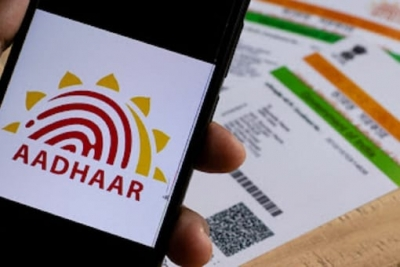
States that have implemented Aadhaar-linked digital payments and biometric authentication have successfully decreased welfare leakage by around 12.7%, establishing a global standard for public welfare integrity. A report by Boston Consulting Group (BCG) revealed that governments worldwide distribute more than $21 trillion in public payments annually, but approximately $3 trillion is lost due to fraud, error, or inefficiency.
In India, the adoption of biometric authentication and direct digital transfers has enhanced the efficient delivery of essential services like food rations, social pensions, LPG subsidies, fertiliser support, and rural employment wages. This approach has minimized the involvement of intermediaries and reduced administrative costs significantly, as stated in the report.
According to World Bank estimates, India has the potential to save up to $10 billion each year by eliminating fraudulent claims, duplicate identities, and intermediaries through Aadhaar-enabled systems. Aadhaar has not only reduced administrative costs but has also minimized leakages in some of the world’s largest social subsidy programs. Evidence from Andhra Pradesh, Jharkhand, and Rajasthan demonstrates improved service delivery without excluding genuine beneficiaries.
Mario Gonsalves, India Leader of the Public Sector Practice at BCG, emphasized that India’s rapid adoption of digital infrastructure in public service delivery and payments has enabled the integration of integrity measures by design. The implementation of AI-enabled integrity solutions can significantly curb leakages in welfare programs, build trust in institutions, and ensure that public spending maximizes benefits for citizens.
The Indian government has disbursed over Rs 3.7 lakh crore directly into the bank accounts of more than 11 crore farmer families across the country under the PM Kisan Samman Nidhi (PM-KISAN) Yojana. The integration of PFMS with Digital Payments and Direct Benefit Transfer (DBT) has facilitated the direct transfer of subsidies and welfare benefits to the population, thereby reducing leakages and duplication.
Furthermore, the utilization of digital tools for revenue generation such as e-invoicing, e-way bills, and faceless assessments has broadened the tax base and decreased tax evasion. These combined efforts have not only strengthened revenue streams but have also contributed to enhancing fiscal balance without necessitating an increase in tax rates.
States Using Aadhaar-Linked Digital Payments Reduce Welfare Leakage: Report


Indian Community Editorial Team
The Indian Community Editorial Team curates, verifies, and publishes stories that matter to Indians worldwide. From culture and community to business and innovation, our mission is to spotlight voices, ideas, and events that bring our global community closer together. Have news or a story to share? Submit it to us at [email protected].
Add A Comment