


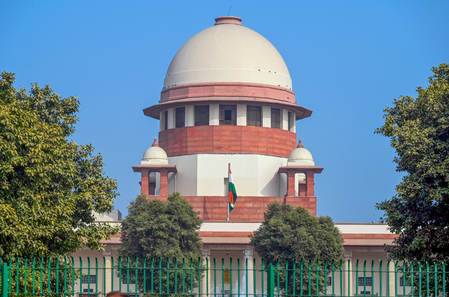
The Supreme Court ruled that using abusive language in a heated argument does not necessarily constitute obscenity under Section 294(b) of the Indian Penal Code unless the words are lascivious and have the potential to corrupt minds. The judgment, by Justices Sanjay Karol and Vipul M. Pancholi, involved a 70-year-old man convicted in a 2017 assault case in Tamil Nadu arising from a land dispute.
The court emphasized the difference between obscenity and vulgarity, stating that mere swear words and abusive expressions, while unpleasant, do not automatically lead to criminal liability under Section 294(b) IPC. It clarified that obscenity involves words that are lascivious, appeal to prurient interests, corrupt minds, and cause annoyance to others, which is distinct from vulgar or abusive language.
While acknowledging that the appellant used abusive language during the altercation, the court noted that the words, though offensive, did not meet the criteria of obscenity under Section 294(b) IPC. The conviction under Section 506(ii) IPC for criminal intimidation was also overturned, as the threatening words used were deemed insufficient to constitute the offense without proof of intent to cause alarm.
The Supreme Court upheld the appellant’s conviction under Section 326 IPC for causing grievous hurt, as medical evidence confirmed the complainant’s fractured nasal bone due to the assault. Considering the circumstances, the appellant’s age, and health, the court modified the sentence to imprisonment till the rising of the court, with a fine of Rs 50,000 to be paid within two months.
