


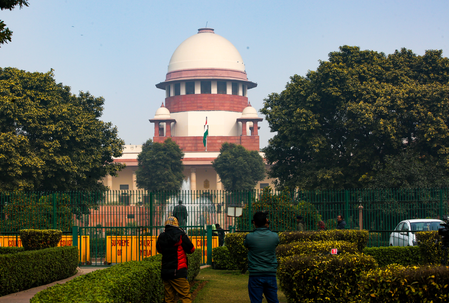
The Supreme Court has introduced various fuel conservation measures, such as conducting virtual hearings on specific days, promoting car-pooling among judges, and enabling Work From Home (WFH) for registry staff. Matters scheduled on miscellaneous days and partial working days will now be heard exclusively via video-conferencing until further notice, as per a circular issued by Secretary General Bharat Parashar. The court emphasized the need for timely links for video-conferencing and stable technical support to avoid any disruptions.
Additionally, the Supreme Court judges have collectively agreed to support car-pooling initiatives to maximize fuel efficiency. Furthermore, the apex court has allowed up to 50% of staff in each branch or section of the registry to work from home for a maximum of two days per week. The circular specified that the remaining staff should be physically present in the office to ensure continuous court administration operations.
To facilitate the WFH setup, the concerned Registrars are required to create a weekly roster in advance. Staff permitted to work remotely must be reachable by phone and ready to report to the office when necessary. The circular also grants Registrars the authority to adjust or limit the WFH arrangement in branches where physical presence is essential or remote operations are ineffective.
These directives follow Prime Minister Narendra Modi’s call for reducing fuel consumption and unnecessary spending amid economic challenges linked to the West Asia conflict. Various state governments and organizations, including the Delhi government, have also introduced fuel-saving measures like WFH arrangements, public transport promotion, and restrictions on official travel.
