


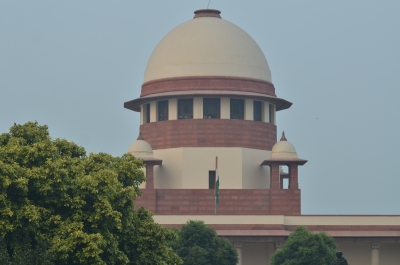
The Supreme Court has issued a notice to the Centre and the Election Commission of India in response to a public interest litigation (PIL) requesting a limit on election expenses by political parties. The plea highlights the absence of a statutory cap on party spending, unlike the strict expenditure limits imposed on individual candidates under the Representation of the People Act, 1951. The petitioner, Common Cause, argues that unregulated party expenditure distorts electoral fairness and undermines democratic principles.
The PIL, filed by advocate Prashant Bhushan, emphasizes that unrestricted party spending allows for the disproportionate influence of financial resources in elections, impacting the integrity of the democratic process. Referring to expert recommendations and judicial observations, the plea underscores the need for regulating political party expenditure to uphold the essence of free and fair elections. The petition draws attention to the adverse effects of uncontrolled campaign finances, leading to a shift towards a more personalized and money-driven electoral landscape.
Citing international examples like the UK’s Political Parties, Elections and Referendums Act 2000, which enforces limits on party campaign expenses, the plea advocates for measures to counter the growing dominance of money power in Indian elections. The petition seeks directives to establish a balanced electoral environment that ensures equal political opportunities and upholds the democratic representation envisioned in the Constitution.
