


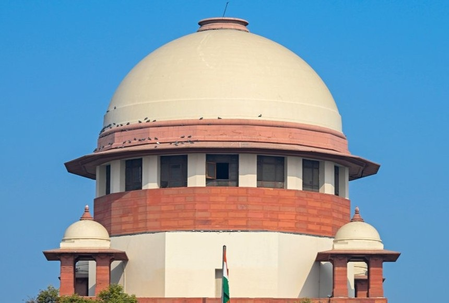
The Supreme Court has instructed a Mumbai-based developer to fulfill a Permanent Alternate Accommodation Agreement (PAAA) by handing over three flats to a resident of a redeveloped cessed building within two months. This directive was issued after the developer was found to have failed to meet its contractual and statutory obligations following the redevelopment process. The Court overturned a Bombay High Court ruling that had prevented Maharashtra Housing and Area Development Authority (MHADA) from taking action against the developer for non-compliance.
The dispute stemmed from the redevelopment of a cessed building in Mumbai, where occupants had vacated their premises with the expectation of receiving permanent alternate accommodation in the new structure. The appellants, who were promised three flats in the redeveloped project through a PAAA signed in October 2019, sought enforcement of this agreement. However, the developer argued against the validity of the agreement, citing changes in building height that allegedly limited the area available for allocation.
Rejecting the developer’s arguments, the Supreme Court emphasized that the PAAA was not a mere private arrangement but was executed within a statutory redevelopment framework overseen by MHADA. The Court stated that the developer could not evade its obligations under the agreement, especially after obtaining possession of the premises for redevelopment based on the promises made in the PAAA. It further clarified that internal disputes among the developer’s partners could not undermine the rights of beneficiaries under a legally binding redevelopment agreement.
The apex court also dismissed the developer’s claim that reduced utilization of fungible Floor Space Index (FSI) justified its withdrawal from the agreement. The Court held that the developer’s failure to fully utilize the fungible area did not entitle it to renege on its commitment to redevelop and allocate alternate premises to the occupants as agreed upon. Additionally, the Supreme Court criticized the Bombay High Court for impeding MHADA from taking action against the developer for non-compliance and directed the developer to fulfill its obligations within the stipulated timeframe.
