


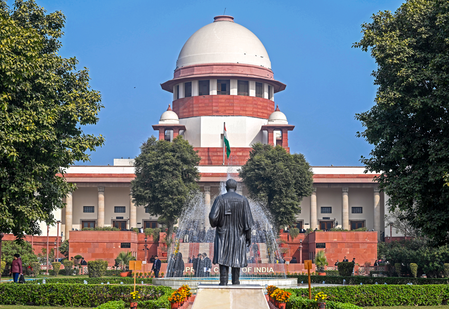
The Supreme Court has cautioned courts handling child custody and visitation disputes to avoid subjecting children to multiple psychological evaluations. This warning comes as such processes can lead to “secondary victimisation” and “re-traumatisation,” especially in cases involving allegations of sexual abuse. The Court modified Bombay High Court orders that had initially replaced a single independent expert with a panel of experts and later formed a four-member panel to assess a child for reconnecting with her father.
The dispute arose during ongoing custody proceedings between estranged parents, alongside pending criminal proceedings under the Protection of Children from Sexual Offences (POCSO) Act. The father is accused of sexually abusing the child while the family lived in the United States. Despite the allegations, the father has denied them. The Supreme Court emphasized that this case goes beyond a typical custody dispute, raising crucial questions about judicially directed psychological evaluations of a child who is also an alleged victim of sexual abuse.
Highlighting the paramount importance of the child’s welfare, the apex court stressed that judicial procedures must adhere to sensitivity, minimal intrusion, and psychological safety standards. It underlined that the justice system should not treat the child merely as evidence subject to repeated forensic or psychological examinations. The psychological well-being of the child is a primary consideration that courts must protect, the Court stated.
