


The suspected gunman in the White House Correspondents’ Dinner shooting meticulously planned his movements for weeks, traveling across the United States and positioning himself inside the hotel before launching the attack. Cole Tomas Allen began laying the groundwork well before the April 25 event, tracking the President’s planned appearance and securing accommodation at the same venue. Allen made a reservation at the Washington Hilton on April 6 for a three-night stay from April 24 to April 26, weeks after President Donald Trump confirmed his attendance.
He traveled from near Los Angeles on April 21, reaching Chicago on April 23 before arriving in Washington, D.C., on April 24. Checking into the hotel that afternoon, he positioned himself inside the building where the high-profile event would take place. Allen seemed to be aware of the dinner’s schedule and the presence of senior US leaders, including the President, Vice President, and Cabinet officials.
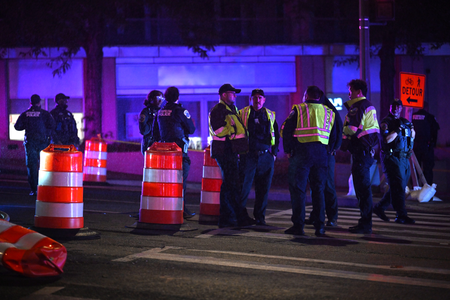
Around 40 minutes after the event began, Allen moved into position. Approaching a security checkpoint carrying a long gun, a gunshot was heard shortly after. A Secret Service officer was struck but survived due to a ballistic vest. Authorities emphasized that the attack was not spontaneous but a result of careful preparation, including the suspect’s travel, hotel booking, and positioning inside the building.
Prosecutors highlighted the interstate nature of the planning, with Allen purchasing firearms in California and transporting them across state lines. US Attorney Jeanine Pirro noted that the timeline showed clear intent, as Allen rushed towards the ballroom but was intercepted by law enforcement. The investigation remains active, with additional evidence being reviewed from the suspect’s hotel room, electronic devices, and travel history.
The White House Correspondents’ Dinner is a significant annual gathering in Washington, attended by senior government officials, journalists, and public figures. Given its high visibility and the presence of leadership, the event requires a substantial security operation each year.
