


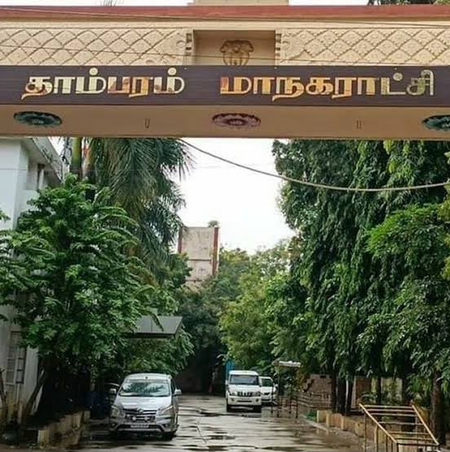
With the northeast monsoon approaching, Tambaram City Municipal Corporation in Tamil Nadu has proposed a Rs 111.08-crore stormwater drain project to tackle chronic flooding in low-lying areas. The project aims to address severe waterlogging issues faced by neighborhoods after moderate rainfall. The proposal includes 40 stormwater drain works covering a total length of 30.37 kilometers.
The planned network will benefit flood-prone areas like Goodwill Nagar, Samathuva Periyar Nagar, Judge Colony, parts of Chitlapakkam, and other vulnerable zones within the corporation limits. Residents of Goodwill Nagar and nearby areas have been dealing with annual waterlogging problems, causing road submergence, traffic disruptions, property damage, and daily life disturbances. Despite previous stormwater drain projects, many neighborhoods still face flooding during monsoons.
The project is divided into two phases, with the first phase consisting of 25 stormwater drain works covering 23.1 kilometers at an estimated cost of Rs 95.51 crore. The second phase includes 15 works spanning 7.27 kilometers, costing Rs 15.57 crore. Corporation Commissioner S. Balachander mentioned that the proposal was formulated after extensive field inspections and flood-mapping exercises conducted over recent monsoon seasons.
The proposed drains are designed to enhance rainwater movement by connecting existing drainage systems with major outfalls, facilitating quicker discharge during heavy rainfall periods. Once approved by the state government, the civic body plans to prioritize the works to strengthen flood preparedness before the peak northeast monsoon season. The corporation had previously completed 15 kilometers of stormwater drains costing Rs 37.59 crore under the State Disaster Response Fund, but some residents and activists claim that the earlier works did not yield the expected outcomes.
Activists have called for improved supervision during construction, suggesting the corporation should also focus on restoring natural waterways, eliminating encroachments, and widening existing channels to enhance drainage efficiency and optimize public funds utilization.
