


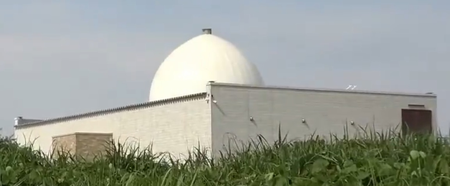
Recent incidents in Japan, such as the Kawagoe mosque issue, allegations of illegal structures in Hokkaido linked to Pakistani communities, and protests in Fujisawa over proposed mosques near Shinto shrines, have brought attention to ongoing tensions regarding zoning regulations, noise concerns from calls to prayer, traffic issues, and cultural differences, according to a report.
In Kawagoe City, Saitama Prefecture, a mosque named Japan Jame Masjid Ramzan faced demolition orders in late May 2026 for being built without necessary permits in a restricted urbanization zone. Despite multiple stop-work orders being disregarded, the mosque’s owner, a Pakistan-affiliated company, eventually submitted a plan for removal after residents raised concerns about the unauthorized construction.
The report also highlighted that the Pakistani ambassador to Japan attended the mosque’s inauguration on April 3, following assurances of compliance with local laws. However, the Pakistani Embassy in Tokyo later issued a public statement urging its nationals to adhere to Japanese regulations, including obtaining required permits for mosque construction.
Emphasizing that the issue is more about sovereignty and reciprocity than religion, the report pointed out Japan’s stringent zoning and building regulations aimed at maintaining order and preventing urban sprawl. It noted that the incident reflects a concerning attitude within parts of the Pakistani community in Japan, where some individuals may perceive laws as flexible, leading to a need for better compliance and accountability.
According to the report, the Kawagoe case underscores the importance for Japan to enforce regulations impartially, monitor foreign-linked land acquisitions in sensitive areas, and ensure that residency policies align with local norms. It also called on Pakistan to advise its expatriates in Japan to respect the host country’s laws and boundaries, emphasizing the importance of mutual respect and compliance in international relations.
