


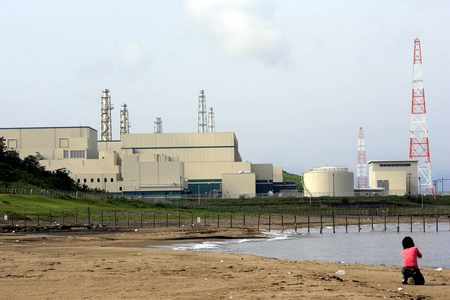
Japan’s Tokyo Electric Power Company (TEPCO) halted operations at the recently restarted reactor in Niigata Prefecture following an alarm triggered by control rod equipment issues. The company paused work at reactor No. 6 to address the control rod matter, crucial for regulating nuclear fission, at the Kashiwazaki-Kariwa plant. Despite the alarm, the Nuclear Regulation Authority confirmed the reactor’s stability and assured no safety concerns.
The Niigata prefectural government reported no abnormal radiation levels around the world’s largest nuclear power station by capacity. Reactor No. 6, part of a seven-unit complex, was reactivated post-7 p.m. local time on Wednesday, becoming TEPCO’s first operational reactor since the 2011 Fukushima disaster. The restart, delayed by a control-rod alarm during testing, proceeded after receiving approval from the Nuclear Regulation Authority.
TEPCO’s reactor restart at the Kashiwazaki-Kariwa nuclear power plant, about 220 kilometers northwest of Tokyo, marked a significant milestone post the Fukushima incident. The utility’s plan to resume operations faced a brief setback due to an alarm malfunction during a test. Despite mixed resident opinions, Niigata Governor Hideyo Hanazumi authorized the plant restart in November, with the prefectural assembly endorsing it a month later.
