


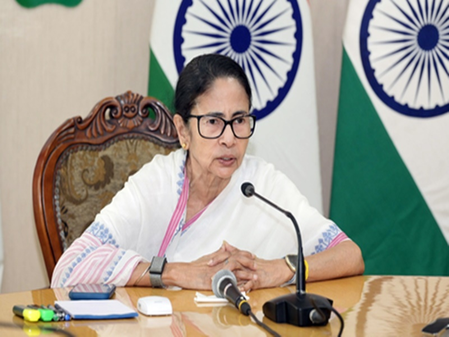
By proposing a restrained approach before seeking Lok Sabha Speaker Om Birla’s impeachment, the Trinamool Congress has signaled dissent towards the Congress. This move is seen as a way to reprimand the Congress, especially Rahul Gandhi, for what the Trinamool views as a lack of response to its previous impeachment motion against Chief Election Commissioner Gyanesh Kumar. Despite facing a numerical disadvantage against the ruling NDA, the Opposition’s rhetoric plays a crucial role in shaping the political narrative.
The Trinamool Congress aims to establish itself prominently among Opposition parties in Delhi and seeks recognition as a major group on the Opposition benches. Party leaders feel the Congress has not acknowledged their significance. Additionally, the party holds Mamata Banerjee in high regard as one of the country’s top three active leaders, alongside Sharad Pawar and Sonia Gandhi, and does not want her to be overshadowed by Rahul Gandhi.
With 28 MPs in the Lower House, the Trinamool Congress has indicated that it will not blindly follow Rahul Gandhi’s lead, despite the Congress having 99 MPs. This stance is linked to the party’s differences with Rahul Gandhi and is also influenced by the upcoming Assembly elections in West Bengal. The Trinamool’s cautious approach regarding the Speaker’s removal is aimed at giving proper notice and time for rectification, rather than directly opposing the Congress.
The Trinamool Congress is asserting its position as the dominant political force in West Bengal ahead of the Assembly polls and wants to convey that it will not play a secondary role, even in Delhi. The party’s decision not to rush into a stand on the Speaker’s removal is strategic, considering the sensitive nature of the issue and the need for proper communication with the Speaker. The Trinamool’s independent stance reflects its determination to maintain its leadership status in West Bengal and on the national political stage.
