


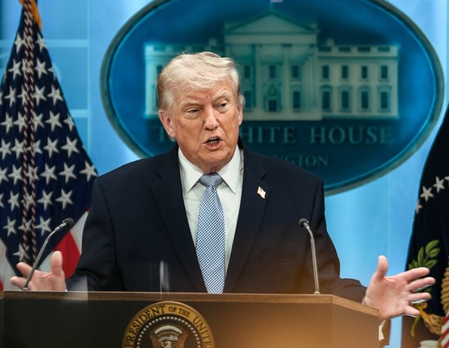
US President Donald Trump has signed a proclamation modifying tariffs on agricultural and industrial equipment to boost the use of American-made steel, aluminium, and copper, as per the White House. The adjustments aim to protect national security and enhance domestic metal industries. Tariffs on certain equipment will be reduced from 25% to 15% until December 31, 2027, to support sectors heavily reliant on such machinery and promote investment in US manufacturing.
The proclamation also extends the list of industrial products eligible for the reduced 15% tariff rate, including mobile industrial equipment like bulldozers and forklifts from countries covered by trade agreements. This move is part of efforts to address national security threats, encourage investment in American agriculture, housing, and manufacturing, and facilitate US production of related products, according to a White House fact sheet.
President Trump’s proclamation lowers the threshold for imported products to qualify for preferential treatment based on US metal content. Products will now qualify if at least 85% of their steel, aluminium, or copper content by weight is made in the US, down from the previous 95% requirement. This change is expected to promote the use of American-produced metals in downstream manufacturing processes.
The signed proclamation also includes aluminium lithographic plates and steel racks in the list of derivative products subject to tariffs to prevent circumvention of existing tariff rules and maintain the effectiveness of measures under Section 232 of the Trade Expansion Act. The tariff adjustments are designed to bolster domestic industries while safeguarding strategic sectors, with a focus on supporting American farmers, construction equipment needs, and industrial logistics.
The White House highlighted a resurgence in domestic metal production, noting the US’s rise as the world’s third-largest steel producer in 2025 and the upcoming new crude steelmaking capacity of over four million tonnes in the next two years. Recent investments and facility announcements in states like West Virginia, Arkansas, and South Carolina demonstrate the positive impact of tariff policies on encouraging domestic investment in the aluminium and copper sectors.
