


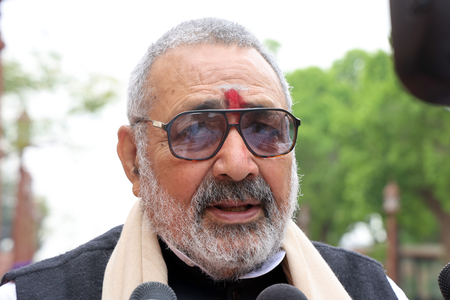
Union Minister Giriraj Singh emphasized the worldwide consequences of energy supply disruptions stemming from the current West Asia turmoil. He highlighted the significance of the region as a key source of oil and gas, essential for global energy needs. Minister Singh expressed concerns that any disturbance in energy production could lead to widespread challenges affecting the entire world.
In response to the potential crisis, the Bihar state government has taken proactive measures to shield its residents from fuel-related uncertainties. JD(U) National Spokesperson Rajeev Ranjan announced the formation of a Crisis Management Group comprising 12 departments, with the Food Supply Department designated as the Nodal Agency. This initiative aims to ensure smooth coordination and support for individuals, including those working outside Bihar.
Amid mounting worries regarding fuel availability due to geopolitical tensions in energy-producing regions worldwide, the Central government has reassured the public about India’s stable fuel situation. The Ministry of Petroleum and Natural Gas confirmed that the country currently holds a sufficient fuel stock of approximately 60 days, guaranteeing no shortages of petrol, diesel, or LPG nationwide.
Authorities have denounced reports of fuel scarcity as a deliberate misinformation campaign orchestrated to create unnecessary panic. They clarified that all retail fuel outlets, numbering over one lakh, are functioning normally and supplying fuel without any restrictions. While sporadic incidents of panic buying have occurred at certain outlets, these were attributed to misleading social media posts, with fuel depots operating round the clock to meet demand.
To further bolster uninterrupted fuel supply, oil companies have extended credit facilities to petrol pumps, allowing retailers to maintain ample stocks for extended periods, even during peak demand phases. The collaborative efforts between Central and state agencies, coupled with proactive monitoring by the Crisis Management Group, aim to safeguard consumers against any potential disruptions in fuel supply.
